Meet Chef Yhani M. Wilson-Young
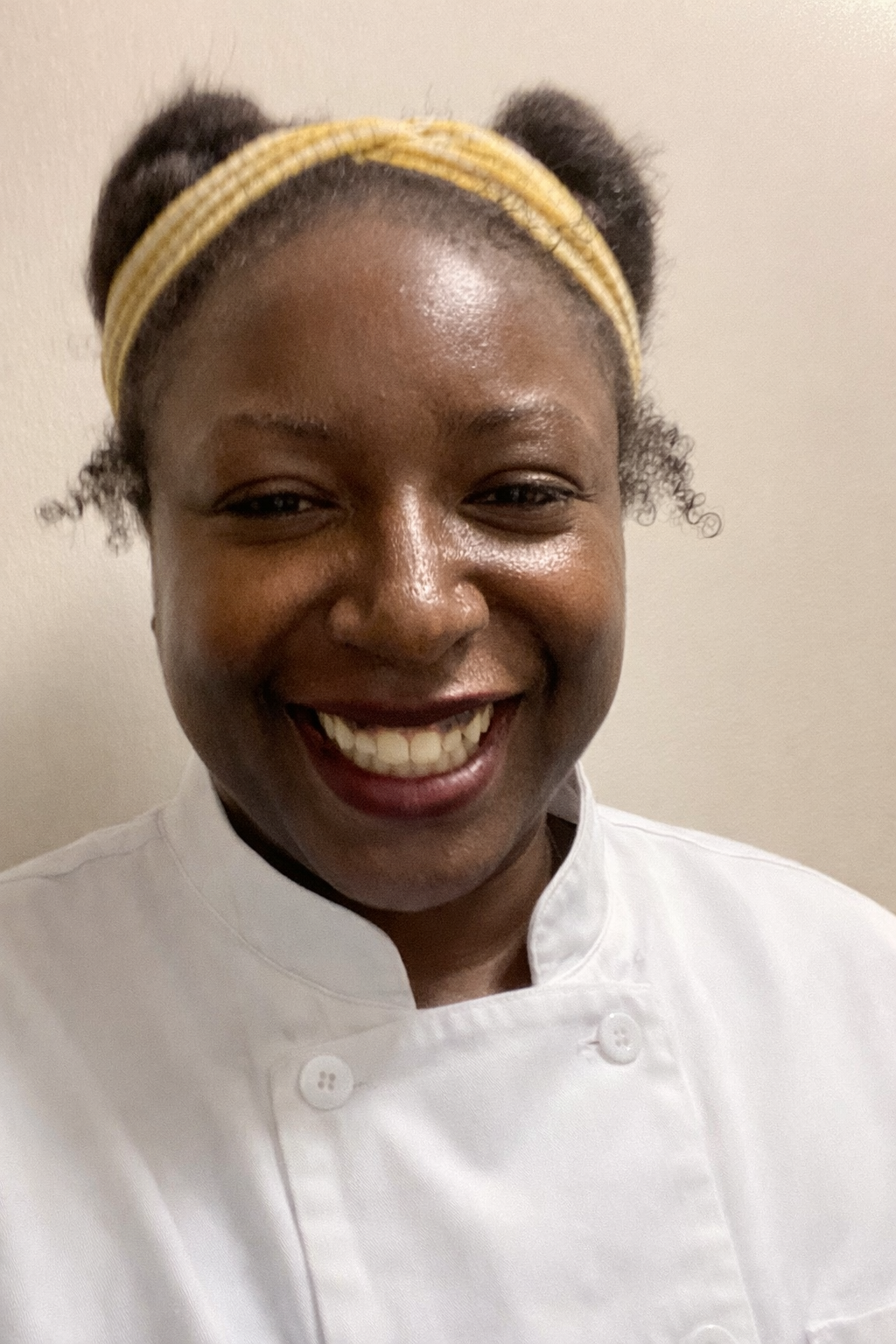
I was born in Charleston, South Carolina, and although my path has taken me across the country, Lowcountry food has always felt like home.
Long before I ever stepped into a professional kitchen, I was learning from the women in my family. My great-grandmother, Miriam Pringle, baked jelly stack cakes layered with homemade apple jelly, and I was always nearby, watching each buttery layer come together. She taught me how to fish, introduced me to fish roe before I knew it was considered a delicacy, and took me along to pick tomatoes and field peas. Food wasn't just something we ate. It was something we grew, gathered, shared, and celebrated.
My grandmother, Rubye Jo Anne "Rubye-Jubee" Pringle, filled the table with dishes like red rice, crab rice, and smothered chicken over perlo rice, while my mother introduced me to an entirely different side of cooking. Growing up in New York, she made everything from lemon pepper pasta and baked ziti to bean soup and her unforgettable bean pie. She also happens to be an avid herbalist with a spice cabinet that could rival a small apothecary. Between her curiosity for flavors and her willingness to experiment, she taught me that food is both nourishment and exploration.
My father, the late Paul E. Wilson-Young, was a Jamaican-born professional chef whose career included kitchens like Nobu in Miami and the British Bankers Club in California. While I never attended culinary school, I consider him my first true chef instructor. At nineteen, he taught me how to work the line with discipline, urgency, and respect for the craft. His favorite saying was simple: "Do the work." Right behind it came another lesson I still carry today: "No shortcuts." Those lessons led me into professional kitchens of my own. I worked alongside my father as a stagiaire at the British Bankers Club, briefly alongside Chef David Lawrence of 1300 on Fillmore, and earned my first paid kitchen position at Zucca Mediterranean Ristorante under Chef Abel Landeros. There I learned to prepare fresh pita, baba ghanoush, basil oil, balsamic reduction, and the importance of building flavor from the ground up rather than relying on shortcuts.
Later, I attended The Citadel, where, despite occasionally testing the limits of the rules with a cleverly hidden crock pot, I developed something just as valuable as knife skills: an appreciation for structure, discipline, and systems. Those lessons continue to shape the way I organize kitchens, lead teams, and execute service today. After returning north, I continued my culinary education in New York as a prep cook at Minetta Tavern, then a Michelin-starred restaurant, where I had the opportunity to learn from exceptional chefs in one of the country's most respected kitchens. Every restaurant, every chef, and every teammate has added another layer to the cook I have become.
One lesson has stayed with me above all the others.Chef Abel used to say, "You have to make love to the food." It sounds funny until you've tasted the difference.
Food prepared with care has a way of slowing people down. It invites conversation. It brings families back to the table. It turns birthdays into memories and ordinary evenings into stories that get retold years later. That's the experience I hope to create every time I cook. Whether I'm preparing an intimate dinner for two, teaching a cooking class, baking pastries, or serving a table full of guests, my goal remains the same: to honor the people who taught me, to respect the ingredients in front of me, and to serve every meal with the same care that first inspired me in my family's kitchens.